


Discover how Canadian startups can attract venture capital funding and how launch capital programs are transforming the startup ecosystem in Canada. Essential reading for founders.

Discover how Canadian startups can attract venture capital funding and how launch capital programs are transforming the startup ecosystem in Canada. Essential reading for founders.
There's a moment in every technological revolution when the change stops feeling like a trend and starts feeling like the new floor. We're in that moment with artificial intelligence. Not the AI of science fiction, and not the narrow chatbots of five years ago — but a generation of tools capable of reasoning, writing, analyzing, and acting in ways that are quietly restructuring how businesses operate at every level.
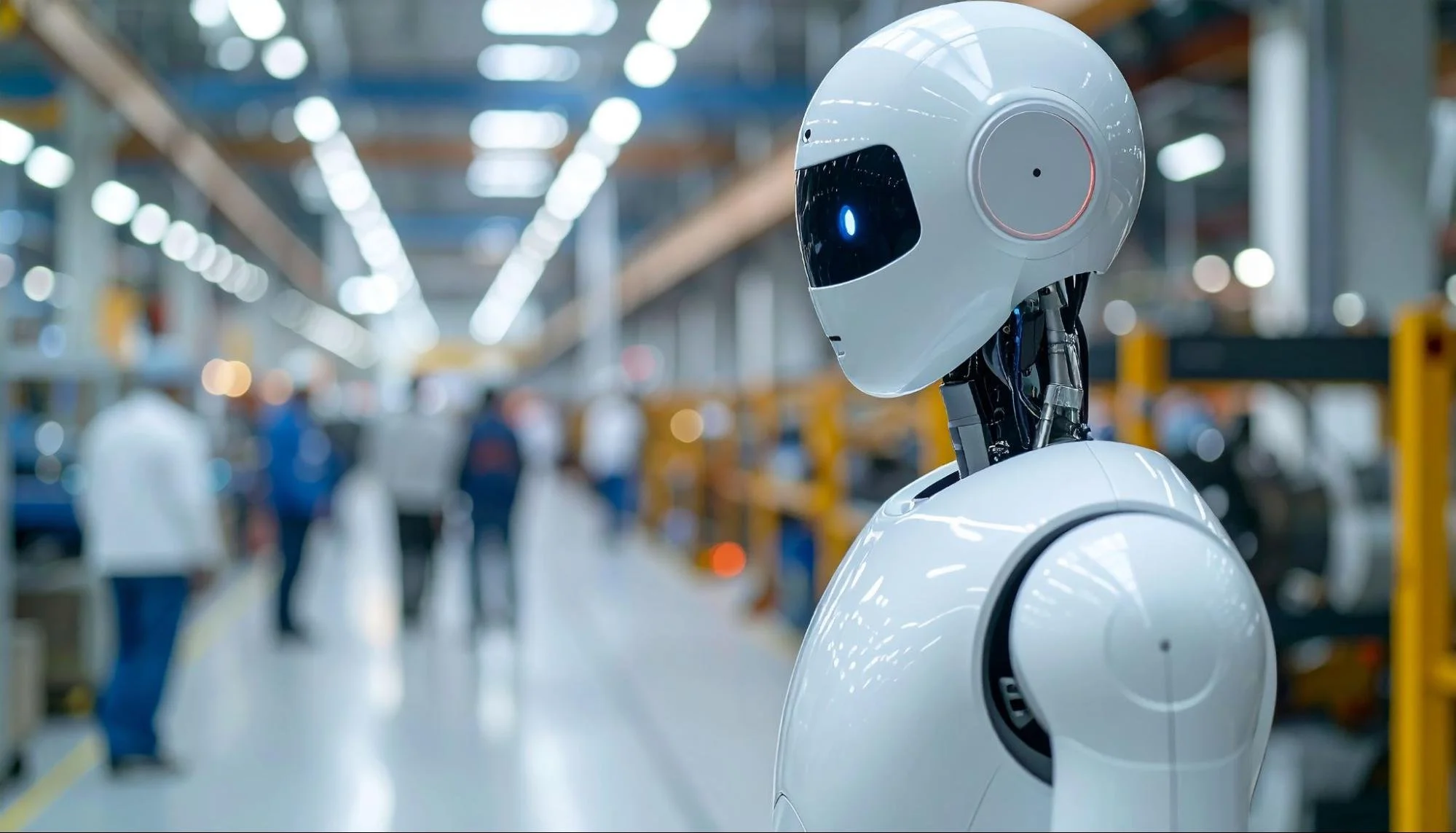
For decades, the humanoid robot existed only in science fiction — a compelling idea perpetually ten years away from reality. That era is over. In 2026, humanoid robots are assembling cars in BMW's factories, moving inventory in Amazon's fulfillment centers, and performing 16-hour shifts without complaint. What once seemed like fantasy has become an industrial inflection point, and the economic implications are profound.
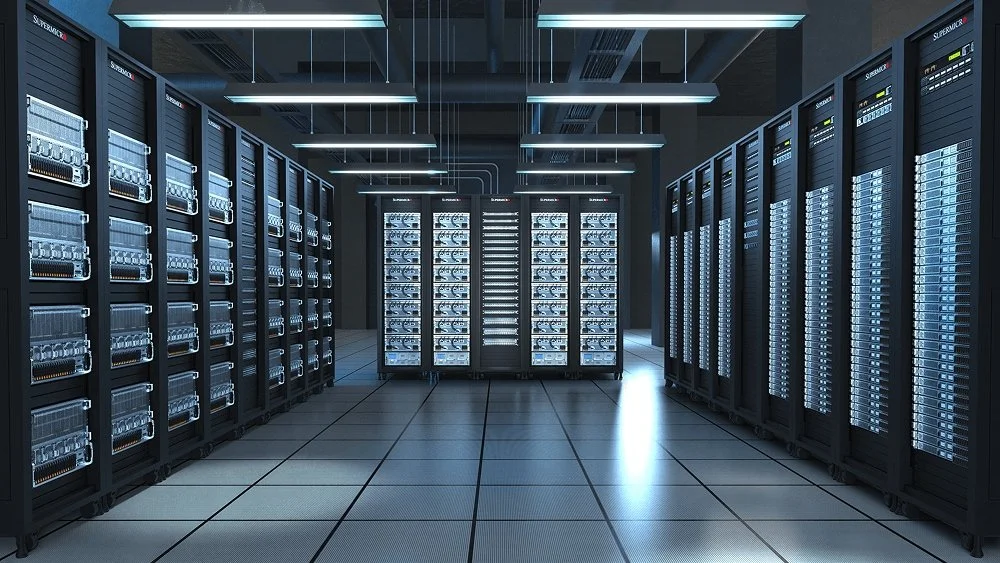
The artificial intelligence revolution isn't just transforming software — it's triggering one of the largest physical infrastructure buildouts in modern history. Behind every chatbot response, AI-generated image, and autonomous agent decision lies a vast network of data centers consuming enormous amounts of electricity. The numbers are staggering, and they're only going to grow.
With the crypto market continuously evolving, many investors have observed that Bitcoin has become too unpredictable, leading to an inability to separate its reward from its risk. What can help sway the market into realizing the true benefits of this digital token? Let’s explore this shift in perception – and why the rewards may ultimately outweigh the concerns.